A Strong Foundation
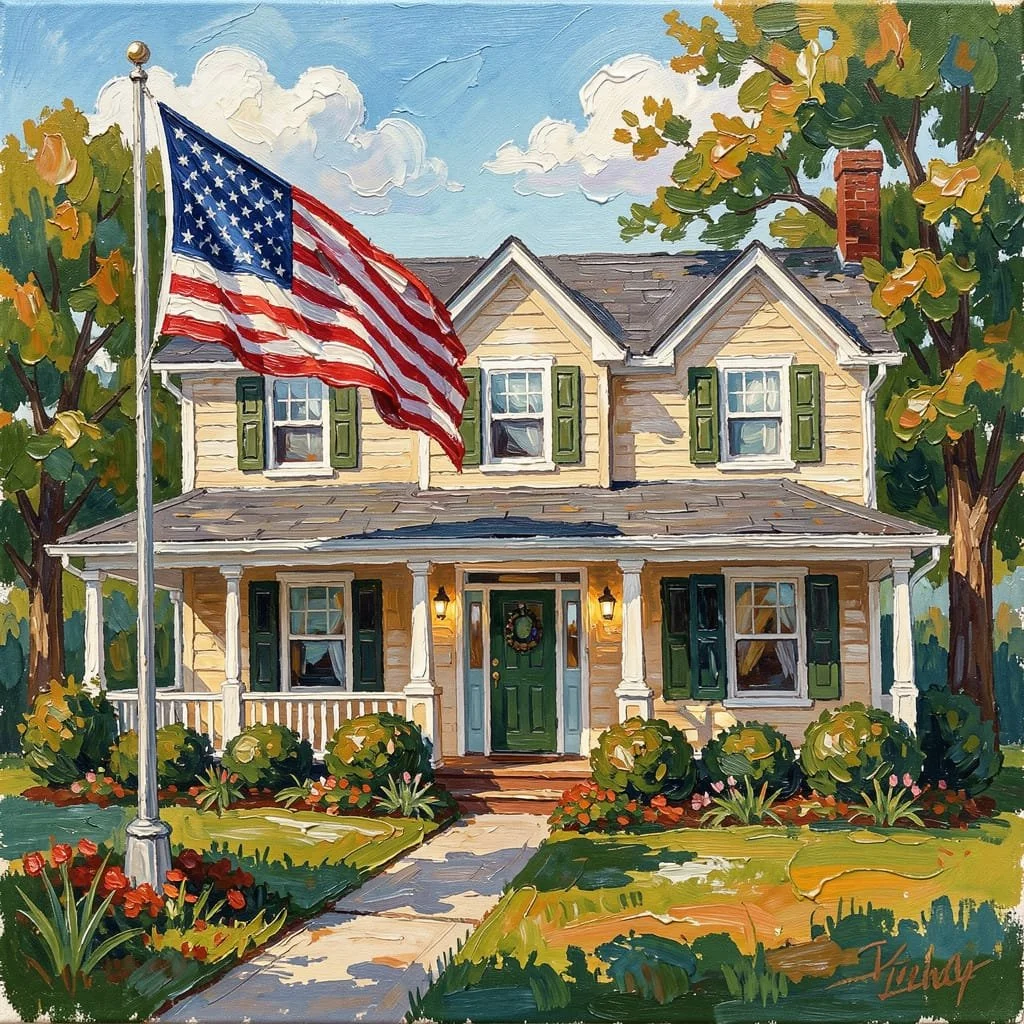
“Safe, supportive housing is often the first step toward rebuilding a veteran’s life—and a core mission for Rescue + Residence.”
VA Grant & Per Diem (GPD) Per Diem Only (PDO): A Core Component of Veteran Housing Success
The U.S. Department of Veterans Affairs Grant and Per Diem (GPD) program stands as a cornerstone in the national effort to end veteran homelessness. For organizations like Rescue + Residence (R+R), it represents more than just funding—it is a core component of building a sustainable, effective housing model. By supporting transitional housing paired with services, GPD enables nonprofits to meet veterans where they are and guide them toward long-term stability. Within this framework, the Per Diem Only (PDO) model offers the flexibility needed to grow impact.
Unlike many housing grant programs that focus on capital investments, the PDO model reimburses providers on a per-veteran, per-day basis. This approach allows organizations like R+R to prioritize what matters most: direct services to veterans, staffing, and measurable outcomes. As a core operational strategy, PDO supports agility and accountability, ensuring that resources are aligned with real-time needs. It also creates a scalable pathway for growth without as much risk of overextending our limited infrastructure.

“Flexible funding supports individualized care, a core element of effective veteran services.”
Importantly, GPD funding is not limited to housing—it also helps support the staffing infrastructure required to deliver high-quality care. As a core investment in program success, these funds can help offset the cost of key personnel, including an Intake & Assessment Specialist, a Site Manager, a Housing Coordinator, a Community Services Coordinator, and a Case Manager. Additionally, a portion of funding can support executive oversight, ensuring strong leadership, compliance, and program integrity. This alignment of funding and staffing allows organizations like R+R to build a well-rounded team capable of addressing the complex needs of veterans.
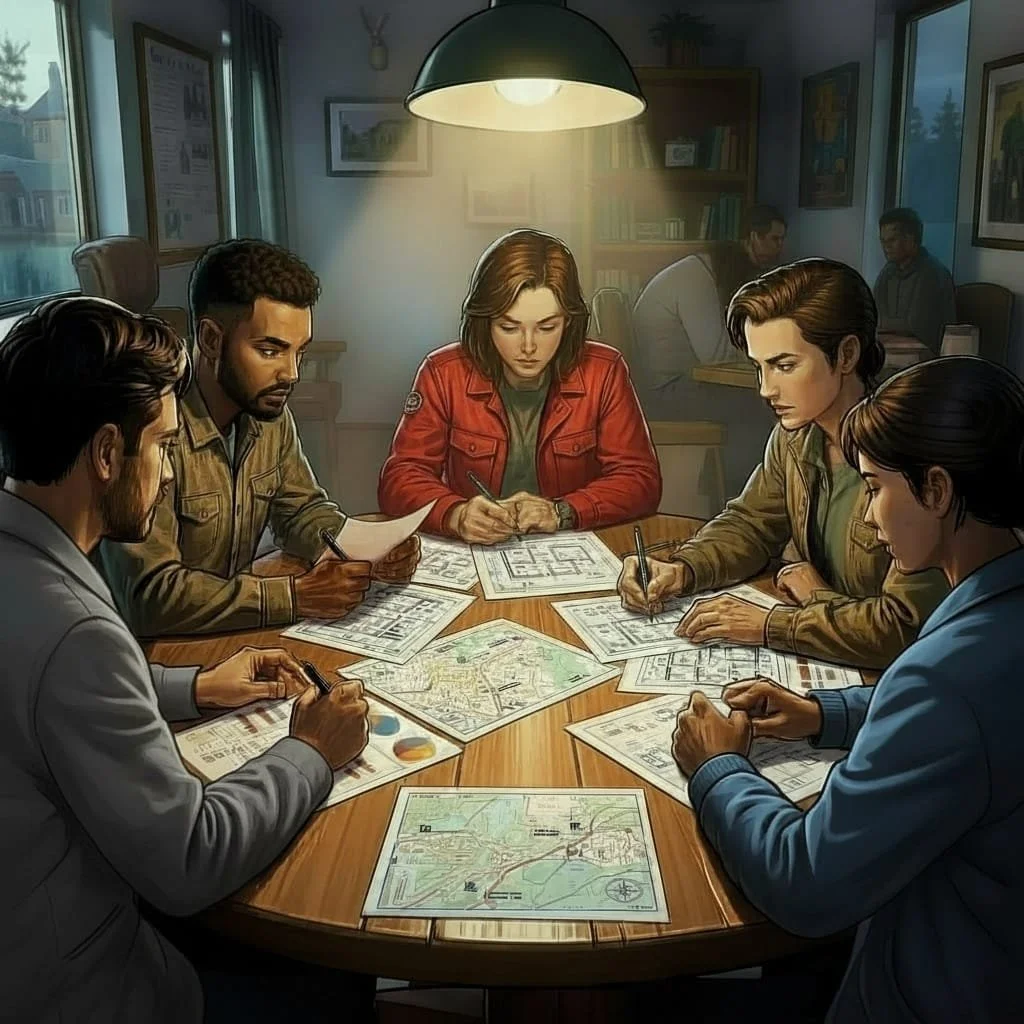
“Strong staffing structures are a core element of delivering consistent, high-quality services.”
A defining feature of the GPD PDO program is the use of different “bed types” to serve veterans at varying stages of readiness. As the program develops, it will build toward a balanced mix of services, including three Bridge Housing beds, one Low Demand bed, and two Service Intensive beds. The layout within the current 4-bedroom house will include two double-occupancy rooms and two single-occupancy rooms. By integrating multiple bed types under one roof, R+R is creating a core continuum of care that adapts to each veteran’s journey and could even transition some veterans from one bed type to a bed type that includes more or less direct services based on their developing needs.
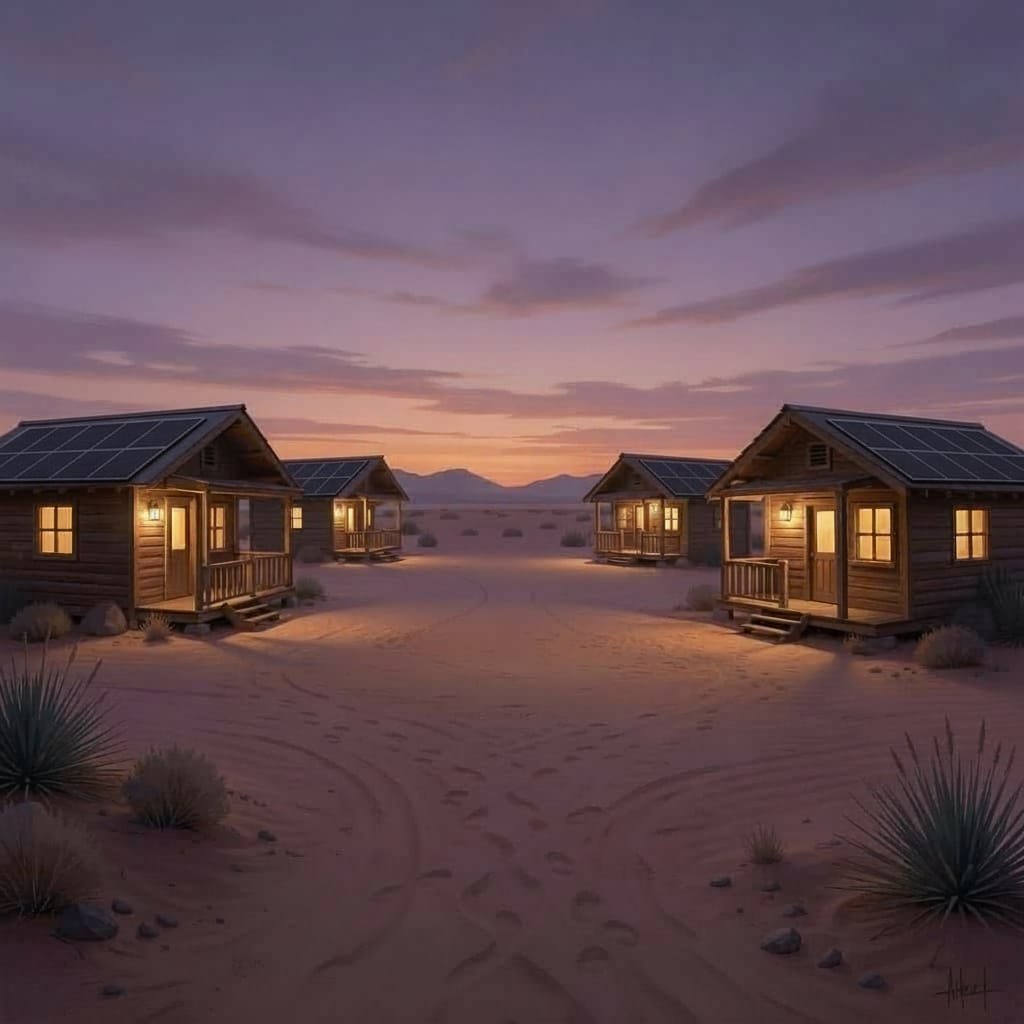
“Thoughtfully designed housing models reflect a core commitment to dignity and effectiveness.”
Bridge Housing beds offer short-term placements focused on rapid stabilization and usually include already determined housing situations following the stay. These beds are essential for veterans transitioning from homelessness. They provide immediate support with limited additional services needed because they already have some kind of clear path forward. As a core entry point into the housing continuum, Bridge Housing helps support veterans moving forward toward long-term success.
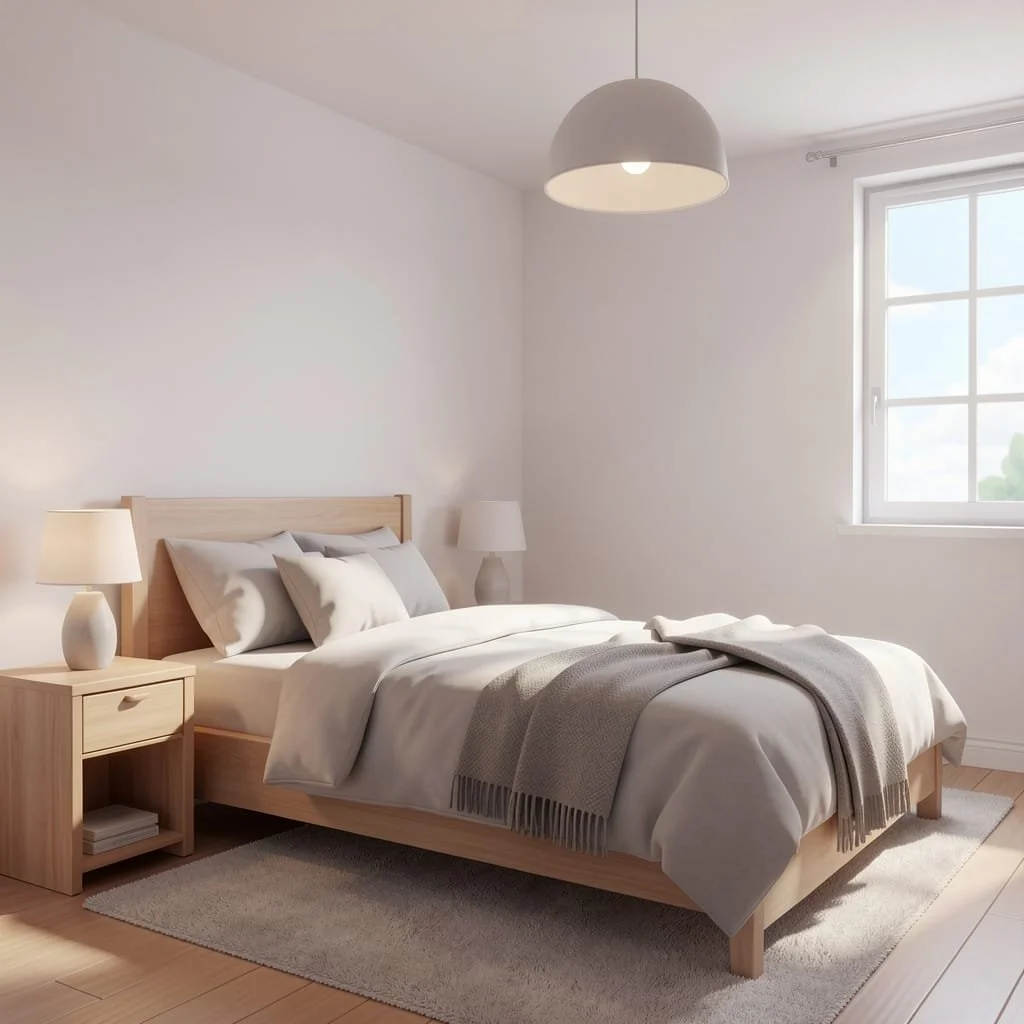
“Bridge Housing provides immediate stability and serves as a core entry point into permanent housing.”
Low-Demand beds reflect another core principle of effective service delivery. These placements reduce barriers to entry by minimizing program requirements and focusing on safety and trust. For veterans who may not yet be ready for intensive services, this approach creates a foundation for future engagement. As a core engagement strategy, Low Demand housing recognizes that stability often begins with simply having a safe place to stay. Due to the remote nature of the Restoration Ranch property, we are limiting our Low-Demand beds to a single bed. Access to public transport is often a must for veterans in need of this kind of bed, and will be difficult from our location.
LD housing is a program design using a low-demand, harm reduction model to better accommodate Veterans experiencing chronic homelessness and Veterans who were unsuccessful in traditional treatment settings. Programming does not require sobriety or compliance with mental health treatment as a condition of admission or continued stay. Overall, demands are kept to a minimum. However, services are made widely available and are actively promoted by program staff as needed. The goal is to establish permanent housing in the community while providing for the safety of staff and residents.
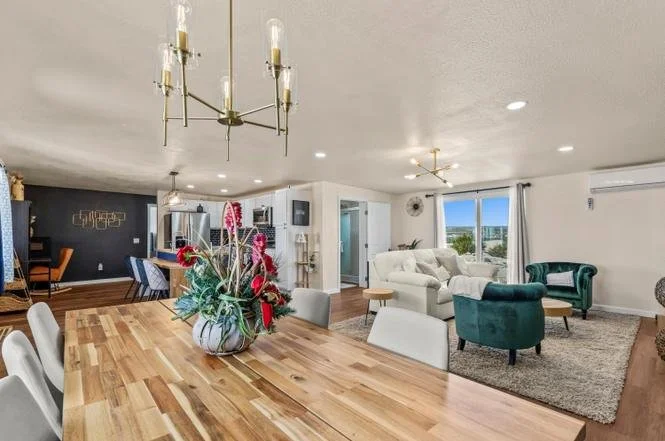
“Low Demand environments build trust first—an essential, core step toward deeper engagement.”
Service Intensive beds represent the most structured level of support and are a core driver of long-term outcomes. These placements include comprehensive case management, life skills training, employment support, and healthcare connections. Veterans in these beds are actively working toward permanent housing and self-sufficiency. By combining structure with support, Service Intensive beds help transform short-term stability into lasting success. The Service Intensive bed concept most closely matches the overall program design for Rescue + Residence’s holistic, 3-Phase approach to ensuring the success of veterans in our programs.
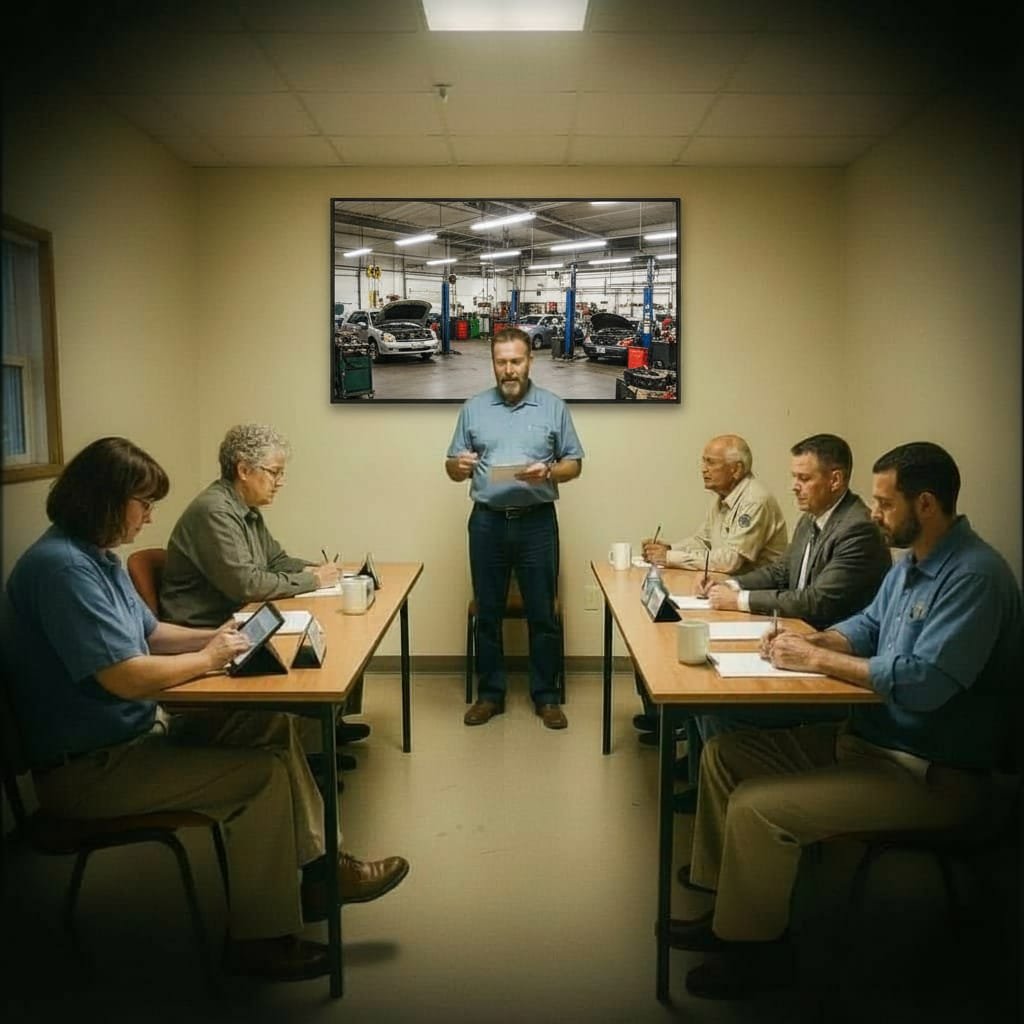
“Service Intensive programs deliver the tools and structure that form a core pathway to independence.”
In February 2026, Rescue + Residence applied for the GPD Per Diem Only program, recognizing it as a core component of its long-term strategy to serve veterans experiencing homelessness. The initial plan includes six beds within a four-bedroom property, creating a manageable and intentional program design. This small-scale approach reflects a commitment to quality, flexibility, and individualized care—all core values of the organization.
Getting started with the Department of Veteran Affairs’ GPD PDO program has the potential to become a foundational pillar in Rescue + Residence’s efforts toward ending veteran homelessness—one veteran, one bed, and one success story at a time.